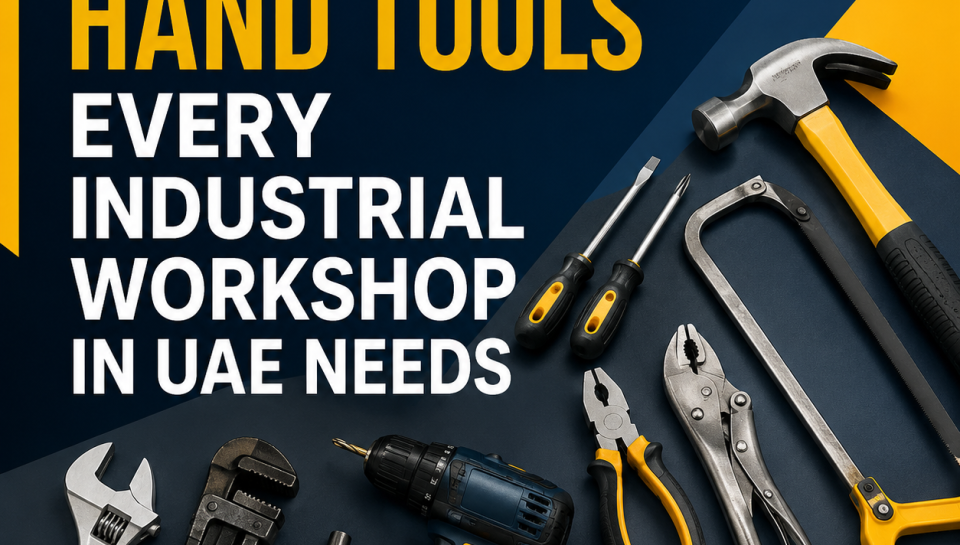
Top 10 Hand Tools Every Industrial Workshop in UAE Needs
A workshop can have the latest machines, skilled technicians, and a packed project schedule. Then a simple missing tool turns a 10-minute job into a 1-hour headache.
That happens more often than you’d think. The right hand tools keep work moving, reduce downtime, and make everyday tasks easier. Whether you’re running a fabrication shop, maintenance facility, construction workshop, or manufacturing unit, some tools earn their place on the workbench every single day.
Let’s look at the hand tools UAE industrial workshops rely on most and why they continue to be part of every well-equipped workspace.
What Hand Tools Are Used Most in Industrial Workshops?
Industrial workshops use hand tools for cutting, fastening, gripping, shaping, drilling, lifting, and repair work. While every industry has its own requirements, certain tools show up almost everywhere because they solve everyday problems quickly and efficiently.
The most common industrial hand tools include:
- Hammers
- Screwdrivers
- Hacksaws
- Pliers
- Wrenches
- Ladders
- Drill Machines
- Bars and Nail Pullers
- Hollow Punches
- Pipe Cutters
These tools form the backbone of maintenance work, fabrication projects, equipment installation, and workshop repairs.
Why Are Hammers Found in Every Industrial Workshop?
A hammer is usually one of the first tools grabbed when work begins. It helps with fitting components, driving nails, shaping metal, and carrying out repairs.
Different jobs require different hammer types. Ball peen hammers are commonly used in metal fabrication, while claw hammers are useful when nails need to be removed. Sledgehammers are chosen when heavier impact is required.
One thing many workshop managers pay attention to is hammer balance. A well-balanced hammer gives better control and reduces hand fatigue during long jobs. That’s especially useful when technicians spend hours carrying out repetitive tasks.
How Do Screwdrivers Support Daily Maintenance Work?
Screwdrivers are involved in hundreds of workshop tasks every week. From opening machine panels to tightening fittings and carrying out electrical maintenance, they rarely stay in the toolbox for long.
A complete screwdriver set usually includes:
- Flathead screwdrivers
- Phillips screwdrivers
- Precision screwdrivers
- Insulated screwdrivers
Magnetic-tip screwdrivers can save valuable time during equipment maintenance. Anyone who has watched a tiny screw disappear inside a machine knows exactly why.
Using the right screwdriver size also helps protect fasteners and prevents unnecessary damage during repairs.
When Is a Hacksaw the Better Choice?
Power tools are useful, but there are situations where a hacksaw simply gets the job done faster.
When working in tight spaces, around installed equipment, or on smaller cutting tasks, a hacksaw offers excellent control. It is commonly used for cutting metal rods, pipes, bolts, plastic materials, and lightweight structural components.
The blade selection matters. A blade designed for thin materials performs differently from one intended for thicker metal sections. Keeping a variety of blades available allows workshops to handle different materials efficiently.
How Are Pliers Used Across Different Industries?
Pliers solve a surprising number of workshop problems. They help technicians grip, bend, pull, hold, twist, and cut materials during maintenance and repair work.
The most common types include:
- Long nose pliers
- Combination pliers
- Locking pliers
- Cutting pliers
Long nose pliers are particularly useful when working inside crowded control panels or machinery compartments. Locking pliers can act like an extra set of hands when parts need to stay in position during assembly.
Because they serve so many purposes, pliers are among the most frequently used maintenance tools in industrial workshops.
Why Do Workshops Keep Multiple Types of Wrenches?
Almost every piece of industrial equipment contains bolts, nuts, and threaded connections. Wrenches make it possible to tighten, loosen, and adjust them safely.
Most workshops keep:
- Combination wrenches
- Adjustable wrenches
- Socket wrench sets
- Pipe wrenches
- Torque wrenches
Using the correct wrench helps protect fasteners and improves efficiency. A rounded bolt head can turn a simple maintenance task into a frustrating repair job.
Torque wrenches are especially valuable for machinery maintenance because they help apply the correct tightening force according to manufacturer specifications.
How Do Ladders Help Industrial Operations?
Ladders are used almost daily in many facilities. Maintenance teams regularly need access to lighting fixtures, storage racks, cable trays, ventilation systems, and overhead piping.
Fiberglass ladders are popular around electrical work because they do not conduct electricity. Aluminum ladders are widely used because they are lightweight and easy to move around large sites.
Choosing the right ladder height is important. A ladder that is too short can create safety risks, while one that is too large can be difficult to position properly.
Why Is a Drill Machine a Workshop Essential?
Drill machines are used for mounting equipment, installing fixtures, creating holes, assembling structures, and carrying out maintenance work. In many workshops, they are used every single day.
The quality of the drill bit often has a greater impact on results than the drill itself. Matching the correct bit to the material being drilled improves accuracy, reduces wear, and speeds up the job.
Cordless drill machines are particularly popular because they allow technicians to move freely around workshops and job sites.
What Are Bars and Nail Pullers Used For?
Bars and nail pullers are widely used during dismantling, renovation, repair, and maintenance work.
They help remove nails, separate joined materials, lift components, and take apart structures without causing unnecessary damage.
A good pry bar can save considerable time during workshop upgrades and equipment replacement projects. The added leverage also reduces the physical effort needed for difficult removal tasks.
Why Are Hollow Punches Useful in Fabrication Work?
Hollow punches create neat and accurate holes in materials such as rubber, plastic, leather, insulation sheets, and gasket material.
They are commonly used when making:
- Gaskets
- Seals
- Washers
- Custom industrial components
Clean holes improve fit and reduce material waste. This is one reason hollow punches remain a valuable tool in maintenance and fabrication workshops.
How Do Pipe Cutters Improve Installation Work?
Pipe cutters are designed to create clean, straight cuts on pipes used in plumbing, HVAC, maintenance, and industrial installations.
Unlike traditional saws, pipe cutters leave smoother edges and usually require less cleanup before fitting.
They are available for different pipe materials, including:
- Steel
- Copper
- Plastic
- Aluminum
Accurate cuts help improve alignment and create stronger connections during installation.
How Can Workshops Get Better Results From Their Hand Tools?
Even the best industrial hand tools need basic care. A simple maintenance routine can improve performance and extend tool life.
Good workshop practices include:
- Cleaning tools after use
- Storing tools in a dry area
- Checking handles and moving parts regularly
- Replacing damaged tools promptly
- Keeping cutting edges sharp
These habits help reduce replacement costs and keep workshops operating efficiently.
How Should You Choose Hand Tools for Your Workshop?
The right tools depend on the type of work carried out every day.
Fabrication workshops often require more cutting and shaping tools. Maintenance teams typically rely heavily on wrenches, pliers, screwdrivers, and drill machines. Plumbing and HVAC contractors usually keep a larger selection of pipe cutters and pipe wrenches.
When choosing industrial workshop tools, it helps to look at comfort, build quality, application, and frequency of use. A tool that is used every day should be comfortable to handle and suited to the task.
Conclusion
A productive workshop doesn’t happen by accident. It starts with having the right tools available when they are needed. Hammers, screwdrivers, hacksaws, pliers, wrenches, ladders, drill machines, bars and nail pullers, hollow punches, and pipe cutters all play a role in keeping maintenance, fabrication, and installation work moving smoothly.
If you’re upgrading your workshop, replacing worn-out equipment, or building a new tool inventory from the ground up, AKA Trades can help. We supply hand tools UAE industrial businesses rely on every day, along with workshop equipment and industrial maintenance tools suited for a wide range of applications. Get in touch with our team today and find the tools that help your workshop work smarter, faster, and with fewer interruptions.
FAQs
What are the most commonly used hand tools in an industrial workshop?
The most commonly used hand tools include hammers, screwdrivers, pliers, wrenches, drill machines, hacksaws, and pipe cutters. These tools are used daily for maintenance, repairs, assembly work, installations, and fabrication tasks across different industries.
How often should industrial hand tools be replaced?
Hand tools should be replaced when they show signs of wear that affect safety or performance. Cracked handles, worn cutting edges, damaged jaws, and bent components can reduce efficiency and increase the risk of workplace injuries.
Which hand tools are best for industrial maintenance work?
Maintenance teams typically rely on screwdrivers, pliers, wrenches, drill machines, and hammers. These tools help technicians inspect equipment, tighten fittings, replace parts, and carry out routine repairs quickly and efficiently.
Why is tool quality important in industrial workshops?
Quality tools provide better grip, accuracy, and reliability during daily use. They can also reduce downtime, improve worker safety, and lower replacement costs by performing consistently under regular workshop conditions.