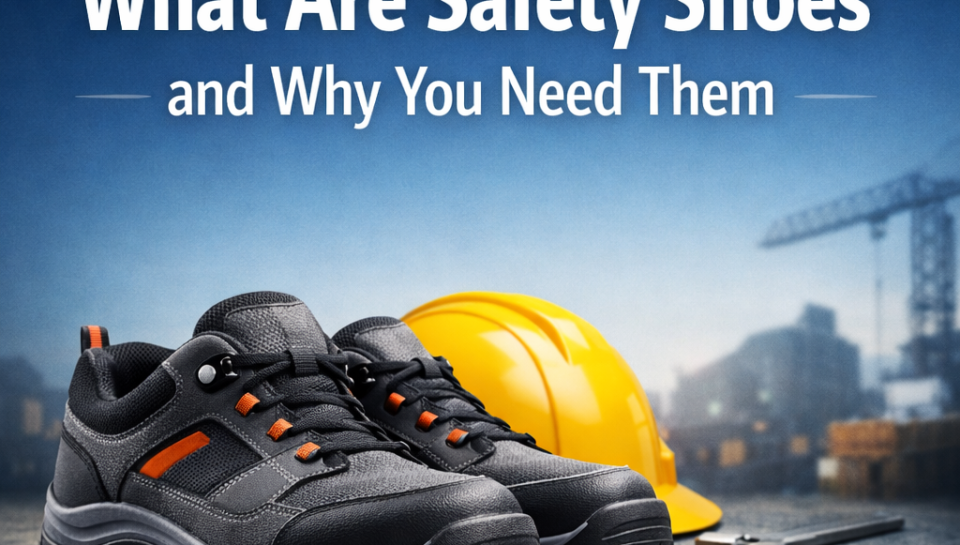
What Are Safety Shoes and Why You Need Them
Most people don’t think about their shoes much before heading to work. You just put them on and go. Then one day, something small happens. A tool slips, a box drops, or the floor turns slick. That’s when you realize your shoes weren’t doing much to protect you.
Safety shoes fix that problem. They’re made for real work situations where things don’t always go as planned. Once you wear the right pair, you start noticing how much easier and safer your day feels.
What safety shoes are and what makes them different
At first glance, safety shoes look like normal shoes. The difference is inside.
The front part has a strong toe cap that protects your toes from heavy impact. If something falls, that cap takes the hit instead of your foot. The sole is thicker and tougher, designed to block sharp objects like nails or broken pieces on the ground.
The bottom of the shoe is built for grip. It helps you stay steady on surfaces that are wet, dusty, or oily.
That’s why you’ll hear names like steel toe safety shoes, composite toe shoes, or industrial safety footwear. They all point to shoes made to protect your feet while you work.
Why safety shoes are needed in daily work
Work doesn’t have to be risky to cause injuries. Even a normal day can turn messy in seconds.
In construction, materials and tools move all the time. In warehouses, heavy items are lifted and shifted constantly. In factories, machines and sharp edges are part of the environment. Even in kitchens, one wet spot on the floor can cause a bad fall.
Safety shoes help you deal with all of this. They reduce the chances of cuts, crushed toes, and slips. You feel more stable, and that confidence shows in how you move and work.
Types of safety shoes and where they are used
Not all safety shoes are the same, and that’s a good thing. Different jobs need different features.
| Type of Safety Shoe | Best For | Main Feature |
| Steel toe safety shoes | Construction, heavy work | Strong impact protection |
| Composite toe shoes | Electrical work, long shifts | Lightweight, non-metal |
| Slip-resistant shoes | Kitchens, cleaning, hospitals | Better grip on wet floors |
| Puncture-resistant shoes | Workshops, scrap areas | Protection from sharp objects |
| Waterproof safety shoes | Outdoor work, wet environments | Keeps feet dry |
How safety shoes help with comfort during long hours
If you’ve ever stood for hours in bad shoes, you already know how tiring it gets.
Modern safety shoes are designed to feel better on your feet. A good pair comes with soft insoles that support your heel and arch. This helps reduce pain during long shifts.
Breathable material keeps your feet from overheating, especially in warm conditions. Lighter shoes also make a difference when you’re walking a lot during the day.
When your feet feel right, the rest of your body follows. You move better, stand better, and don’t feel drained by the end of the day.
How to choose the right safety shoes for your job
Picking the right safety shoes is easier when you focus on your daily work.
If you deal with heavy items, steel toe safety shoes are a safe pick. If you’re around electrical work, composite toe shoes are the better option.
Check the sole as well. If your floor is often wet or oily, slip-resistant safety shoes help you stay steady. If you work outside or in wet areas, waterproof safety shoes keep your feet dry.
Fit is just as important. Your toes should not feel cramped, and your heel should stay in place when you walk. If the fit is off, you’ll feel it within a few hours.
Common mistakes people make when buying safety shoes
A lot of people treat safety shoes like regular shoes, and that’s where problems start.
Choosing based on looks alone is one mistake. Safety comes first here. Another issue is getting the wrong size. Tight shoes hurt, and loose ones can cause blisters or make you lose balance.
Going for the cheapest option can also backfire. Low-quality shoes may wear out quickly or fail when you need them most.
Skipping safety standards is another thing people overlook. Shoes with proper certification have been tested for real conditions.
When to replace your safety shoes
Safety shoes don’t last forever, even if they still look fine on the outside.
If the sole becomes smooth or loses grip, it’s time to replace them. If the toe cap takes a heavy hit, the protection may not be the same anymore.
Most people replace their safety shoes every 6 to 12 months, depending on how tough their work is.
If your shoes start feeling less comfortable or supportive, that’s another clear sign.
Simple tips to make your safety shoes last longer
A little care goes a long way.
Clean your shoes regularly so dirt doesn’t damage the material. If they get wet, let them dry naturally instead of placing them near heat.
Wear good socks to keep your feet comfortable and reduce sweat. If you can, switch between two pairs. It helps each pair last longer.
Final thoughts
Once you start using the right safety shoes, you’ll notice the difference right away. You move with more ease, feel more stable, and worry less about small risks turning into big problems.
If your current pair isn’t doing the job, it might be time for an upgrade. AKA Trades offers safety shoes made for different kinds of work, so you can find a pair that actually fits your needs.
Take a moment, check your options, and pick something that feels right. Your feet carry you through the whole day. They deserve better than just any pair of shoes.
FAQs
What is the difference between safety shoes and regular work shoes?
Safety shoes are made with built-in protection like toe caps, puncture-resistant soles, and slip-resistant grip. Regular work shoes may look similar but don’t offer the same level of protection. If your job includes any risk of impact, sharp objects, or slippery surfaces, safety shoes are the better choice.
Do safety shoes reduce foot pain during long shifts?
Yes, a good pair of safety shoes can help reduce foot pain. Many come with cushioned insoles and proper arch support, which helps distribute pressure evenly. This makes standing or walking for long hours easier and less tiring compared to basic footwear.
Are heavy safety shoes better for protection?
Not always. Heavier shoes may feel stronger, but modern lightweight safety shoes can provide the same level of protection. The key is the material used in the toe cap and sole, not just the weight of the shoe.
Can safety shoes be used outside of work?
Yes, many people use safety shoes for outdoor tasks like home repairs, gardening, or handling heavy items. They provide extra protection in situations where regular shoes may not be enough.